




Happy Disability Pride Month!
Disability Pride Month is observed in the U.S. every July, tied to the anniversary of the Americans with Disabilities Act, which President George H. W. Bush signed on July 26, 1990.
The ADA was a landmark U.S. civil rights law, prohibiting disability discrimination in public life, including employment, schools, transportation, government services, telecommunications, and public accommodations. The ADA National Network describes the law’s purpose as making sure disabled people have “the same rights and opportunities as everyone else.”
The “pride” part matters. Disability Pride Month is not just an awareness month or a celebration of the ADA as a law. It is also about disability identity, culture, visibility, community power, and rejecting shame or pity.
The American Association of People with Disabilities frames it as a time to commemorate the disability community’s strength and solidarity, while also recognizing that disability pride can mean different things to different people, including joy, rage, grief, resistance, and mutual support. (Source)
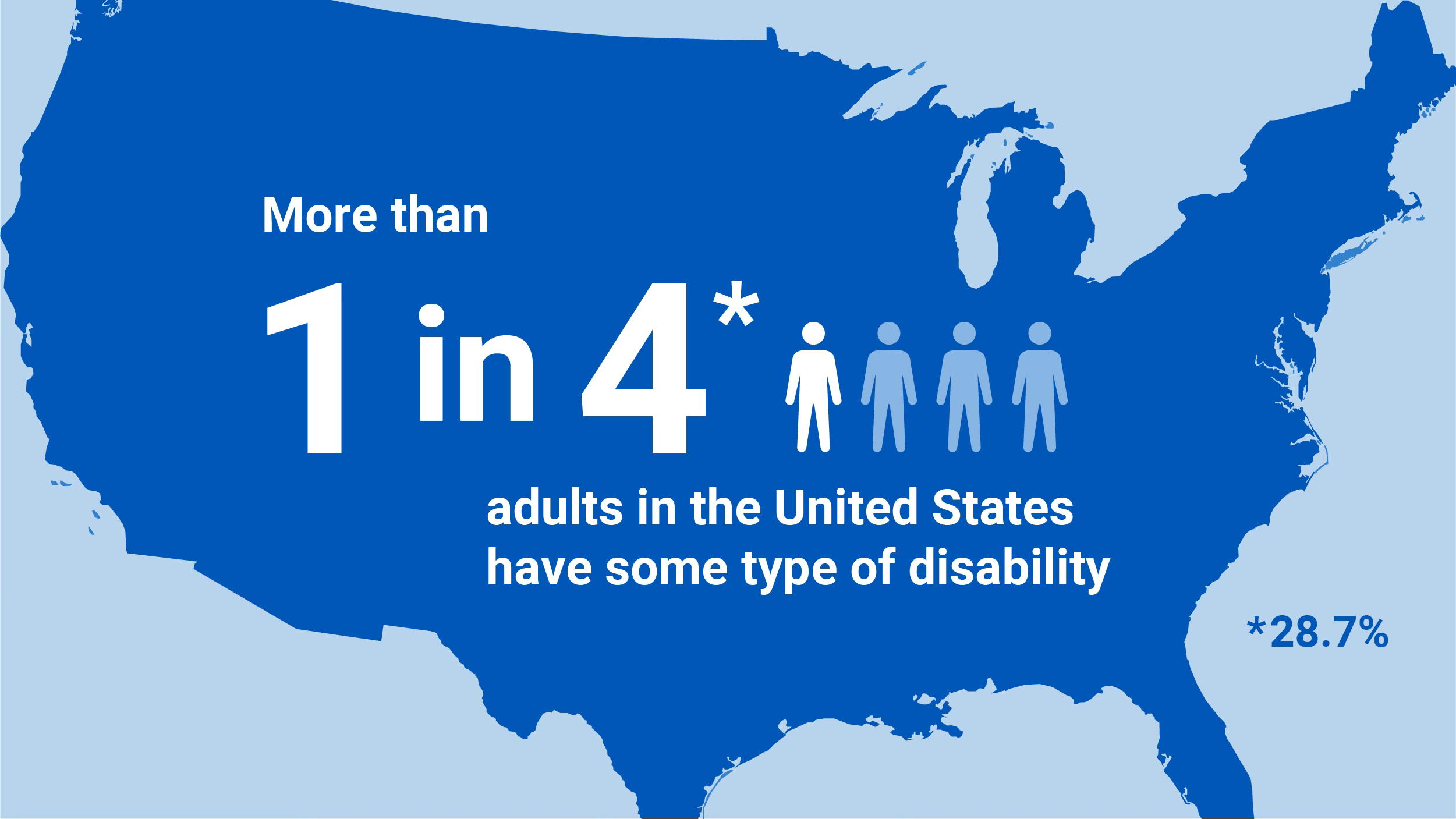
The Centers for Disease Control notes that more than 1 in 4 U.S. adults have some type of disability, so this is not a niche issue.
Here are a few options for celebrating Disability Pride Month and getting involved in defending disability rights:
Attend a webinar on July 8 from legal experts explaining what the recent U.S. Department of Justice Olmstead memo means — and doesn’t mean — for community living.
Check out The Arc’s list of 2026 Disability Pride Month activities by state.
Buy your own disability pride flags through a retailer like Flags for Good, which donates to good causes.
Editor’s note: I take two weeks off of this newsletter every year and next week is one of them! There will be no July 12 edition. See you back here July 19.
Medical Motherhood’s news round up
Snippets of news and opinion from outlets around the world. Click the links for the full story.
• From the Associated Press via ABC News: “Trump’s actions signal a move toward institutionalizing people with disabilities, advocates warn”
For decades, disabled people have fought for their rights to go to school and live alongside peers without disabilities — rights that some fear could be losing ground under the Trump administration.
[…]The Trump administration’s steps fit a worldview in which the government has no obligation to support people with disabilities, said Claudia Center, legal director at Disability Rights Education and Defense Fund.[…]
• From the Kitsap Sun (Washington state): “Why families are worried about the erosion of disability rights”
[…]In recent months, discussions surrounding home and community-based services have focused on costs. These services have been framed as a financial burden. This is an area where public perception and reality don’t align. The most important consideration should always be what is most humane and offers the highest quality of life. But if the goal is also to reduce costs, research has shown that institutional care is the more expensive model.[…]
• From National Partnership for Woman and Families: “Americans’ Unpaid Caregiving is Worth More Than $1 Trillion Each Year”
[…]Just how important is caregiving for our economy? Our analysis of new data from the 2025 American Time Use Survey finds that Americans spend an average of 234 hours a year caring for and helping family, friends and loved ones. If Americans’ unpaid care work was compensated at the rate of our professional care workforce, it would be worth more than $1.1 trillion a year – equivalent to 3.6 percent of our GDP or, outrageously, Elon Musk’s net worth.
Despite the enormous impact of this work, caregiving is undersupported and undervalued, primarily because the large majority of care work – both paid and unpaid – is done by women. […]
• From WRDW: “Georgia Medicaid coverage cuts could leave special-needs kids without therapy”
Georgia lawmakers are criticizing CareSource over reimbursement cuts that are leading clinics across the state to stop accepting patients who use the insurer, one of three companies that manage Medicaid coverage in Georgia.
Three-year-old Joanna Lopez is among the children affected. She has a neurological disorder called alternating hemiplegia of childhood, which her mother, Raquel Lopez, said causes episodes of paralysis.
[…]In the coming weeks, Joanna will no longer have access to services at TOTS.
The change stems from a letter sent to clinics from CareSource, which manages Medicaid coverage for children like Joanna. The company told clinics it would cut reimbursement rates by 20%. […]
• From News-Graphic (Kentucky): “Mother with disabled son advocates against Medicaid cuts at Capitol”
Brittany True, 28, of Georgetown, travelled to Frankfort with her family Wednesday, June 24, to advocate against proposed Medicaid reimbursement cuts, which would directly impact the treatments her disabled son is able to receive, in front of the Kentucky Medicaid Oversight and Advisory Board.
[…]“Are (care providers) going to not be able to bill Medicaid anymore?” she said. “I’m in lessons and therapy literally five days a week, so, I mean, at what point do I have to pick which therapy is most important to him? … I will do whatever I have to do to keep him in that therapy, but I know there’s people out there that can’t, and that’s what’s very scary.”[…]
• From The Tyee (Canada): “Is BC’s New Disability Funding Putting Some Kids at Risk?”
[…]The province is investing $475 million in new funding to provide more families with access to services and supports for their kids with disabilities, many for the first time.
“Families have told us the current system isn’t working for many children. Too many receive no support at all, while others struggle to navigate a system that doesn’t reflect their child’s needs,” reads an emailed statement Children and Family Development Minister Jodie Wickens sent to The Tyee.
“When children and youth can’t access the supports they need, it can have serious impacts, and that is the reality many families are facing today.”[…]
• From Daily Tribune (Philippines): “Only 8% disabled kids enter schools”
More than 90 percent of Filipino children with disabilities remain outside the public school system despite a law mandating inclusive education, according to a new study that warned of persistent shortages in teachers, funding and support services.
A policy brief released by the Second Congressional Commission on Education (EDCOM 2) found that only 381,089 learners with disabilities were enrolled in public schools in the 2024-2025 school year — roughly 8 percent of the country’s estimated 5.1 million school-age children with disabilities.[…]
• From E-Tagata (New Zealand): “The incredible example Māori set other Indigenous peoples”
[…]I never planned to move to Aotearoa [the Maori word for New Zealand].
But I was passionate about land-based learning for Indigenous disabled learners, and I knew Aotearoa was the place to do it.
[…]I continue to learn from my daughter and live in gratitude for how she teaches me what it means to be authentically oneself, free, rooted in relationships, and truly self-determined.
I still hear echoes in others’ stories today of her beginnings. I hear how disabled people and their families are treated like burdens, presumed to be “taking away” from others.
These stories break my heart. They make me more determined in my work to uplift Indigenous peoples lived experience of disability and autism, and to lead with these stories to create change.[…]
• From Forbes: “Meet The Disabled Leaders Redefining Their Industries This Disability Pride Month”
[…]The leaders below are among countless others carrying that work forward right now, across media, fashion, policy, talent representation, literacy and the creator economy. They are ensuring the movement continues, expands, and evolves, and that the legacy of those who came before us is honored.
It is worth noting that this year’s anniversary arrives at a moment when the legal architecture protecting Disabled people is under sustained pressure.[…]
Medical Motherhood brings you independent, ad-free news and information each Sunday for raising disabled and neurodivergent children.
Free subscribers help this work reach more families. Paid subscribers make it sustainable. Get the newsletter in your inbox, give a gift subscription or become a paid supporter to help keep this resource available to everyone.
Not ready for a subscription but like what you read here? You can also buy me a coffee.
Follow Medical Motherhood on Facebook, Bluesky, X, TikTok, Instagram or Pinterest. Visit the Medical Motherhood merchandise store.